Research Areas
Our lab focuses on the intersection of automation, computation, and solid-state chemistry. We aim to transform material synthesis from a manual art into a replicable, high-throughput discipline.
Supramolecular Host–Guest Chemistry & Molecular Recognition
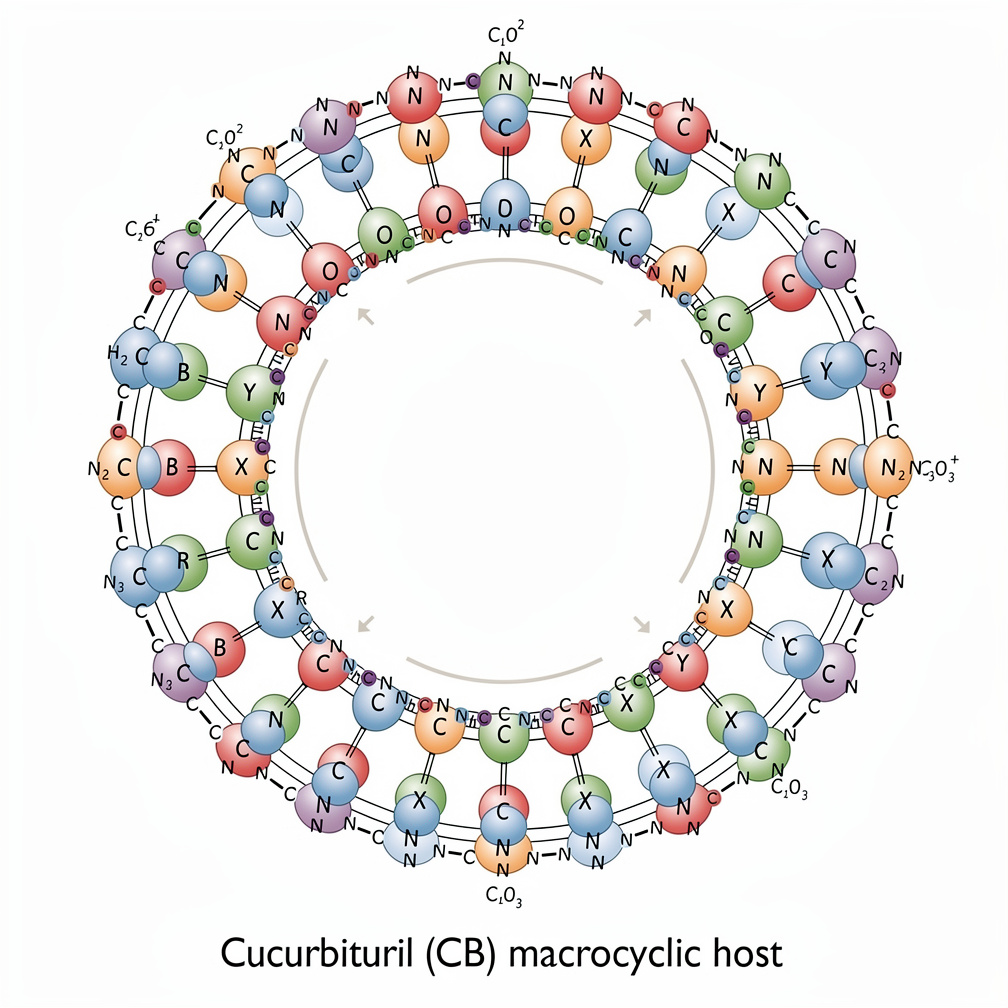
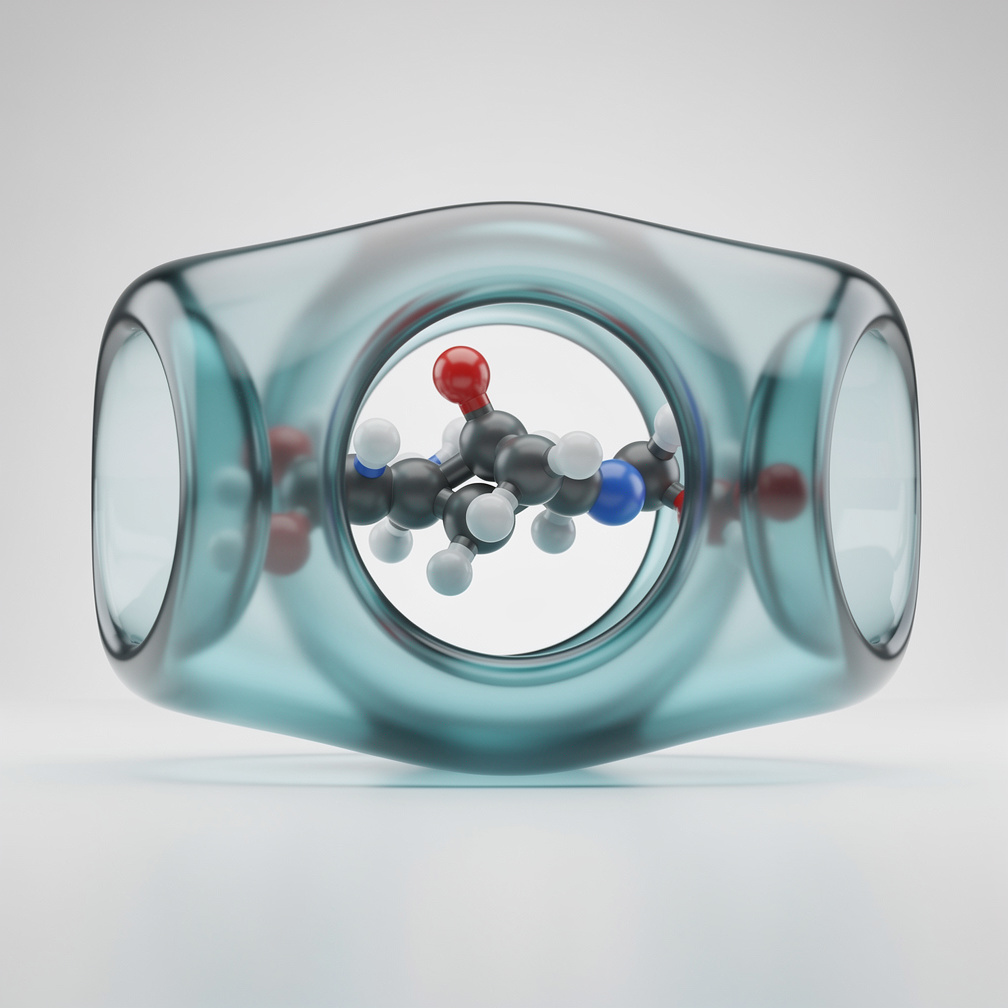
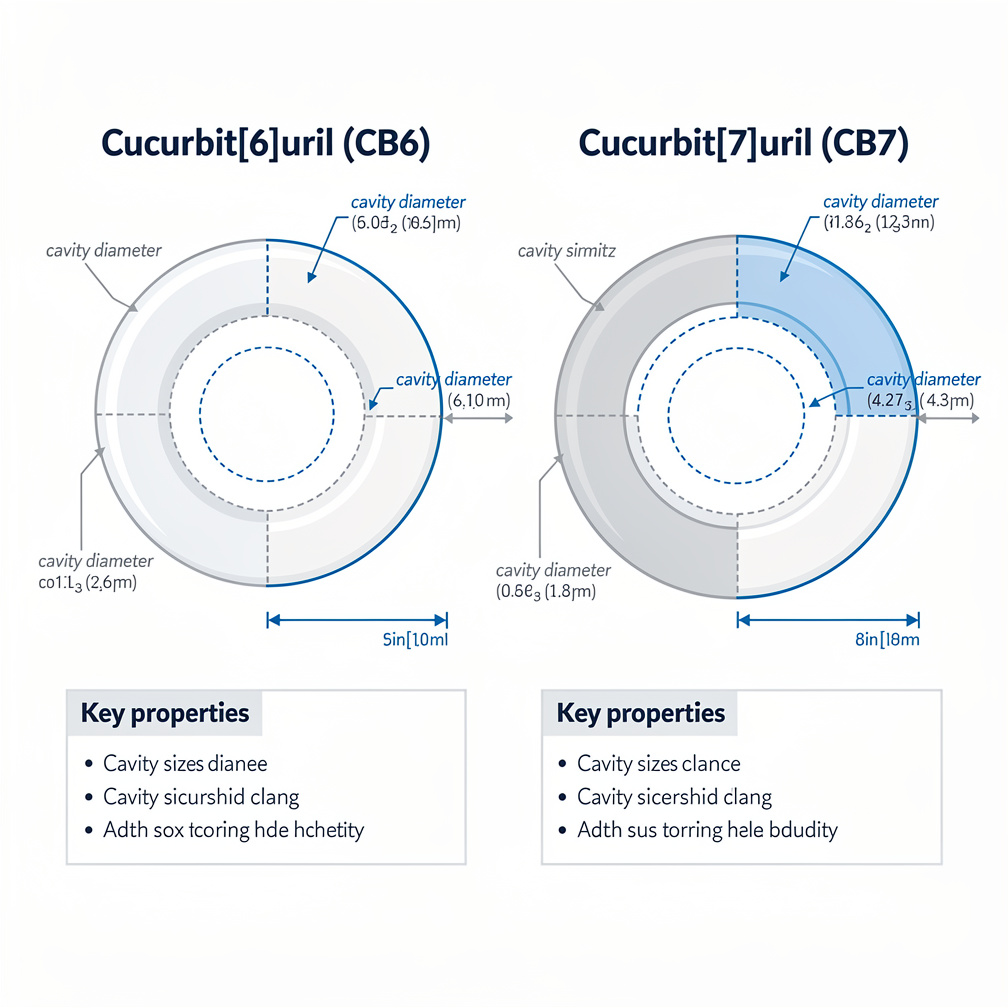
At the heart of the Nau Group’s work is a fundamental question — what makes molecules bind to one another in water? We study how macrocyclic host molecules — cucurbiturils (CBs), cyclodextrins (CDs), calixarenes (CXs), and boron clusters — encapsulate a wide variety of guests with extraordinary selectivity and affinity.A central insight from our group is the role of high-energy water: the water molecules trapped inside the cavity of cucurbiturils are thermodynamically frustrated, and their release upon guest binding provides a powerful driving force for complex formation. This concept, first articulated by our group in 2011–2012, has since become a cornerstone of supramolecular thermodynamics.We have also characterized the chaotropic effect as a distinct, complementary driving force to the classical hydrophobic effect — particularly relevant for large, polarizable anions such as dodecaborates and metallacarboranes. These so-called superchaotropic ions bind to cyclodextrins and other hosts with exceptional affinity, following rules quite different from those governing hydrophobic guests.Our group maintains one of the most comprehensive experimental databases of cucurbituril binding affinities, and has developed fitting tools and reference scales widely used by the supramolecular community.
Related Publications
Thermodynamics of Water Displacement from Binding Sites and its Contributions to Supramolecular and Biomolecular Affinity
Nature MaterialsDispersion Interactions in Supramolecular Complexes
Nature MaterialsA Reference Scale of Cucurbit[7]uril Binding Affinities
Nature MaterialsThe Chaotropic Effect as an Assembly Motif in Supramolecular Chemistry
Nature Materials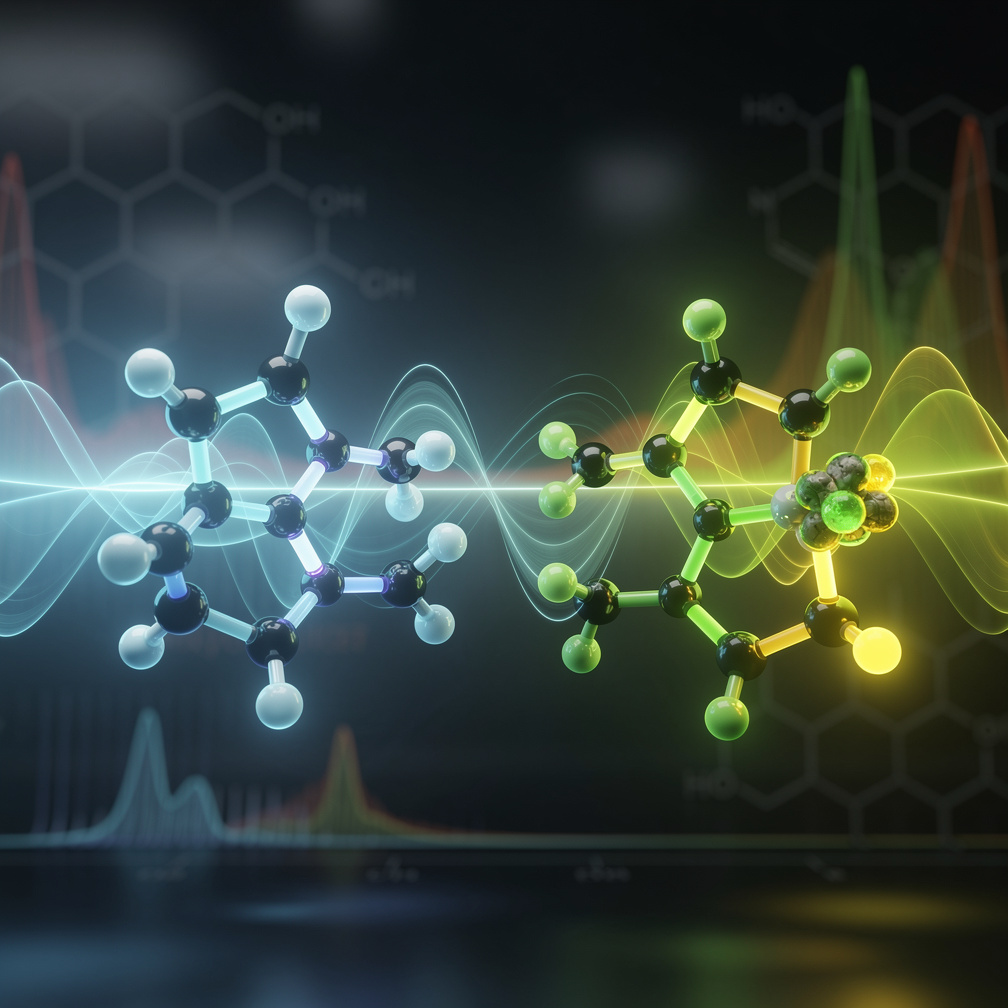
Fluorescent Sensing, Assays & Analytical Applications
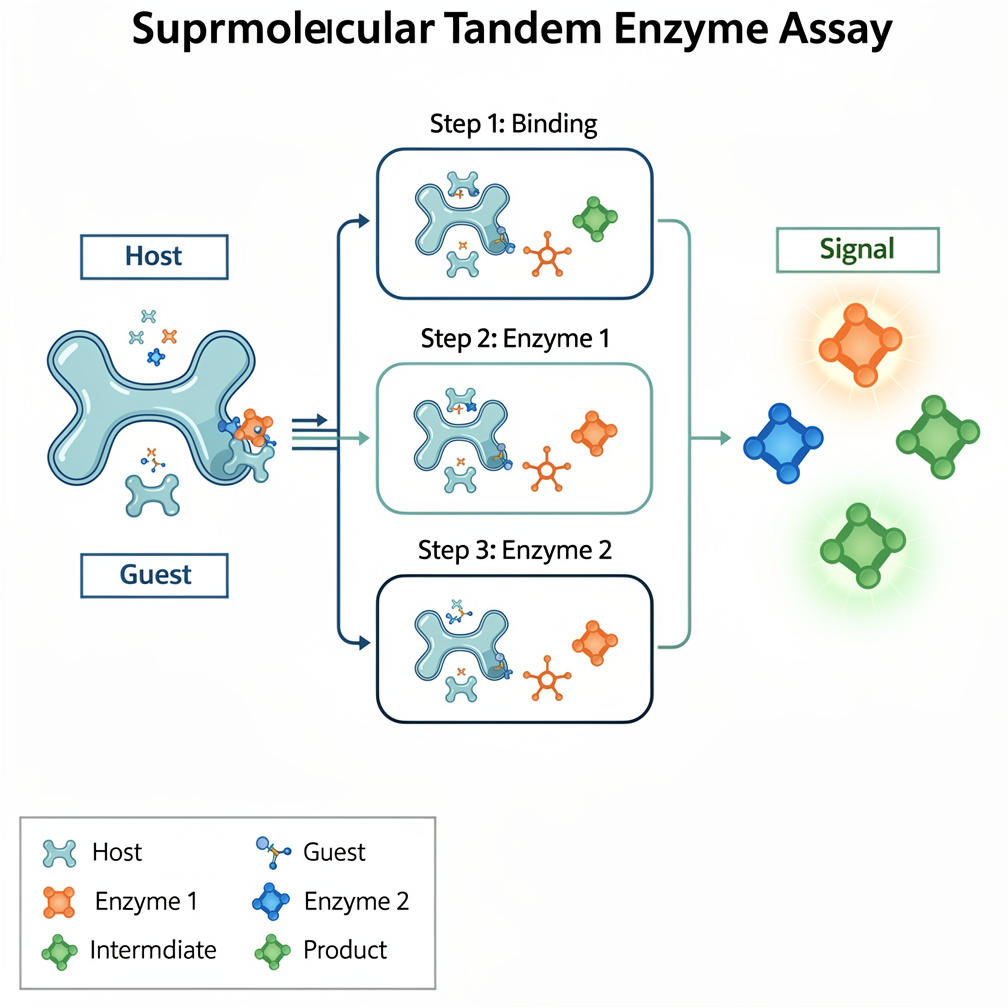
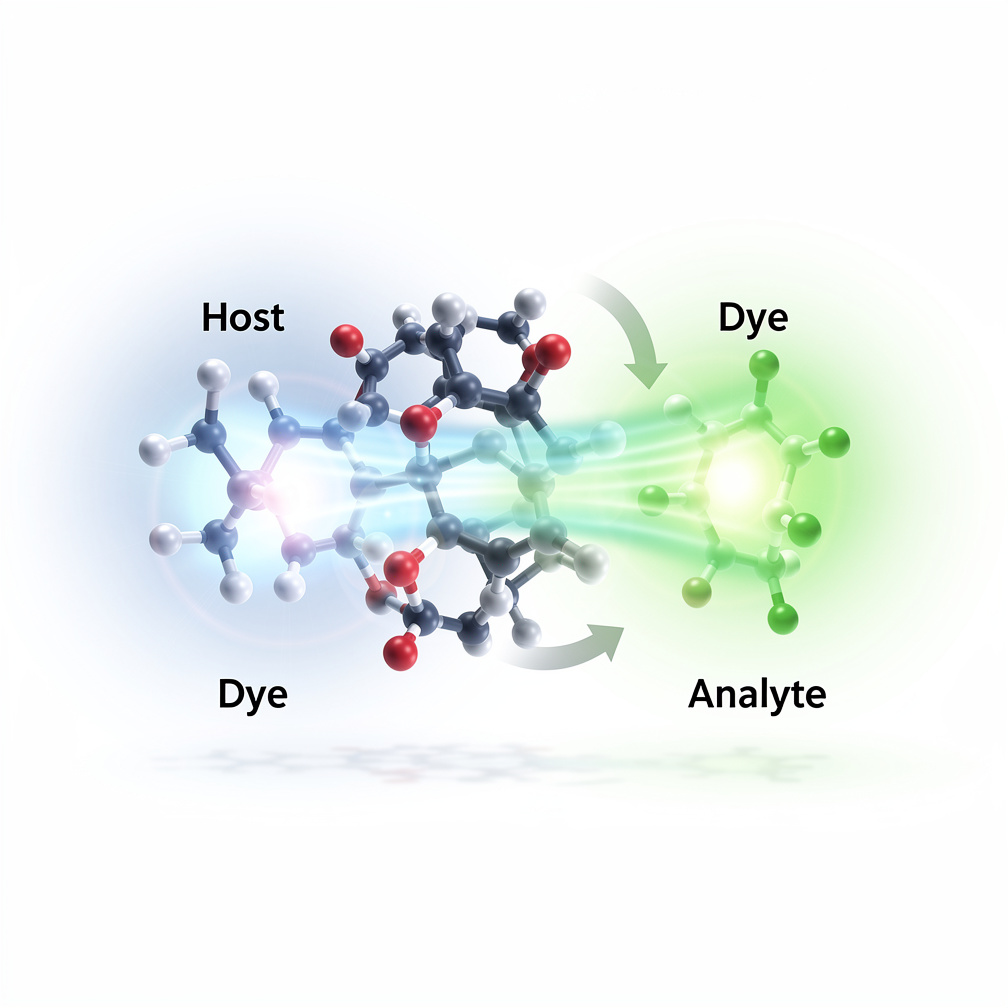
A major strand of the group’s work translates supramolecular host-guest chemistry into practical analytical tools for chemical and biological sensing. We design and synthesize novel fluorescent dyes and reporter molecules that change their emission properties upon binding to specific analytes.This platform has been applied to an exceptionally broad range of targets, from simple ions and small molecules to complex peptides and proteins. Our supramolecular tandem assays, which couple host-guest recognition with enzymatic reactions, have opened new avenues for real-time monitoring of biological processes.
Related Publications
Supramolecular Tandem Assays: From Principle to Application
Chem. Soc. Rev.Real-Time Monitoring of Enzymatic Reactions with Indicator Displacement Assays
J. Am. Chem. Soc.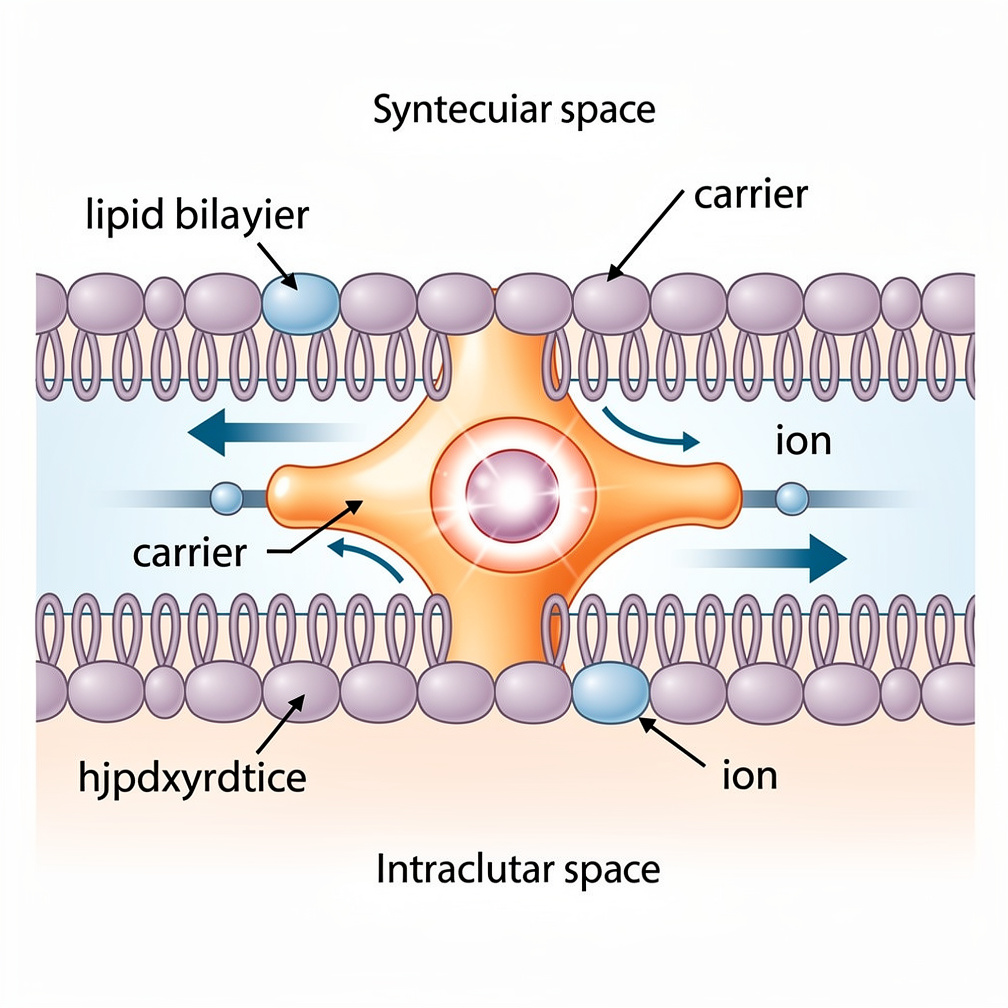
Membrane Transport, Drug Delivery & Biological Applications
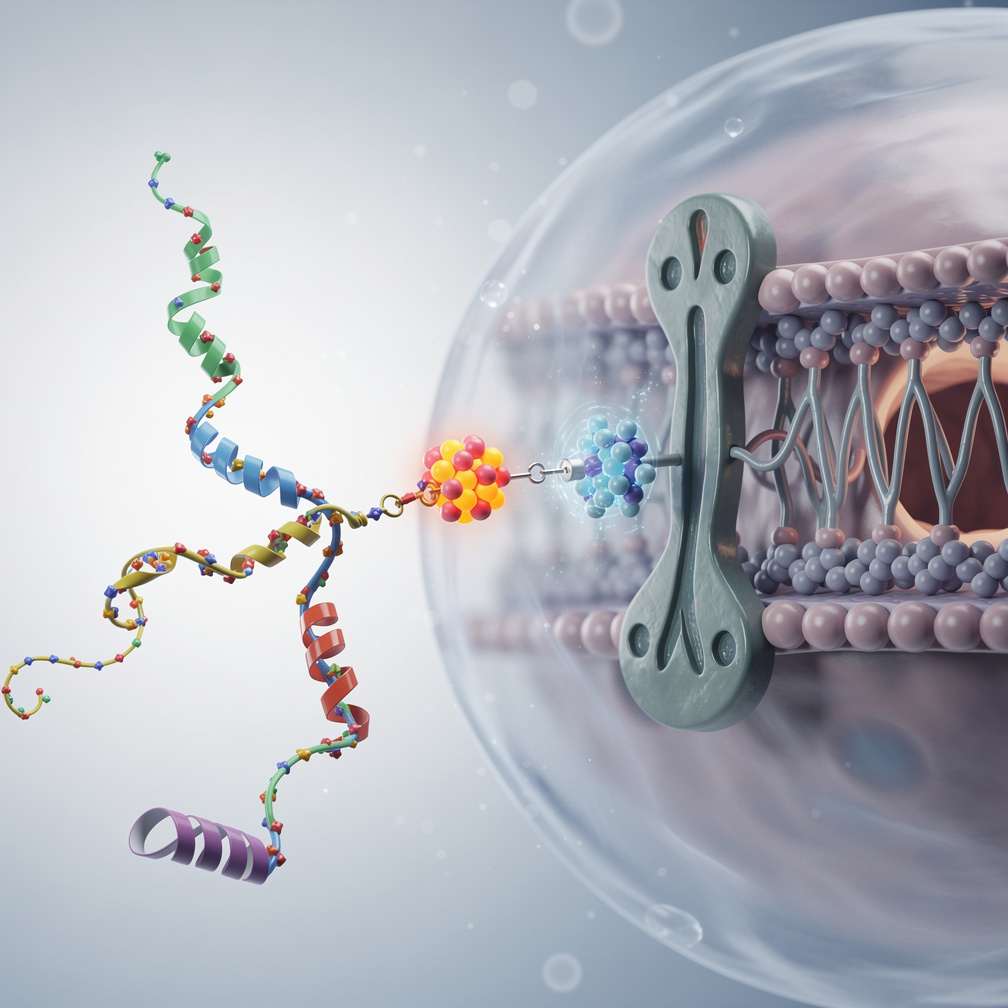
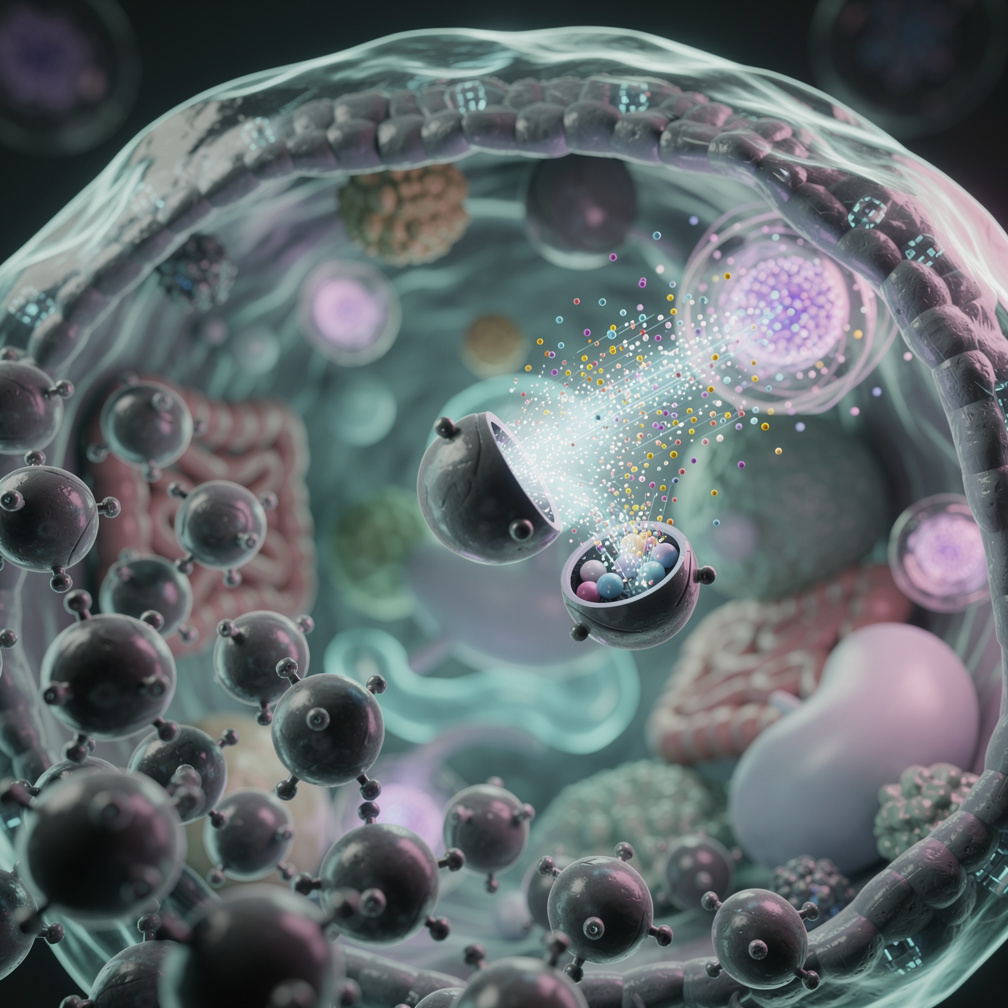
The most recent and rapidly growing direction of the group involves applying supramolecular principles to solve challenges in membrane transport and drug delivery. We design synthetic molecules that can function as artificial ion channels or carriers, facilitating the transport of biologically relevant species across lipid bilayers.The Nau Group has identified a new class of membrane-active agents based on boron clusters, which can passively diffuse through membranes and act as highly efficient transporters. This work, often in collaboration with leading international groups, has profound implications for developing new therapeutic strategies and understanding fundamental biological transport mechanisms.