Supramolecular Chemistry Research
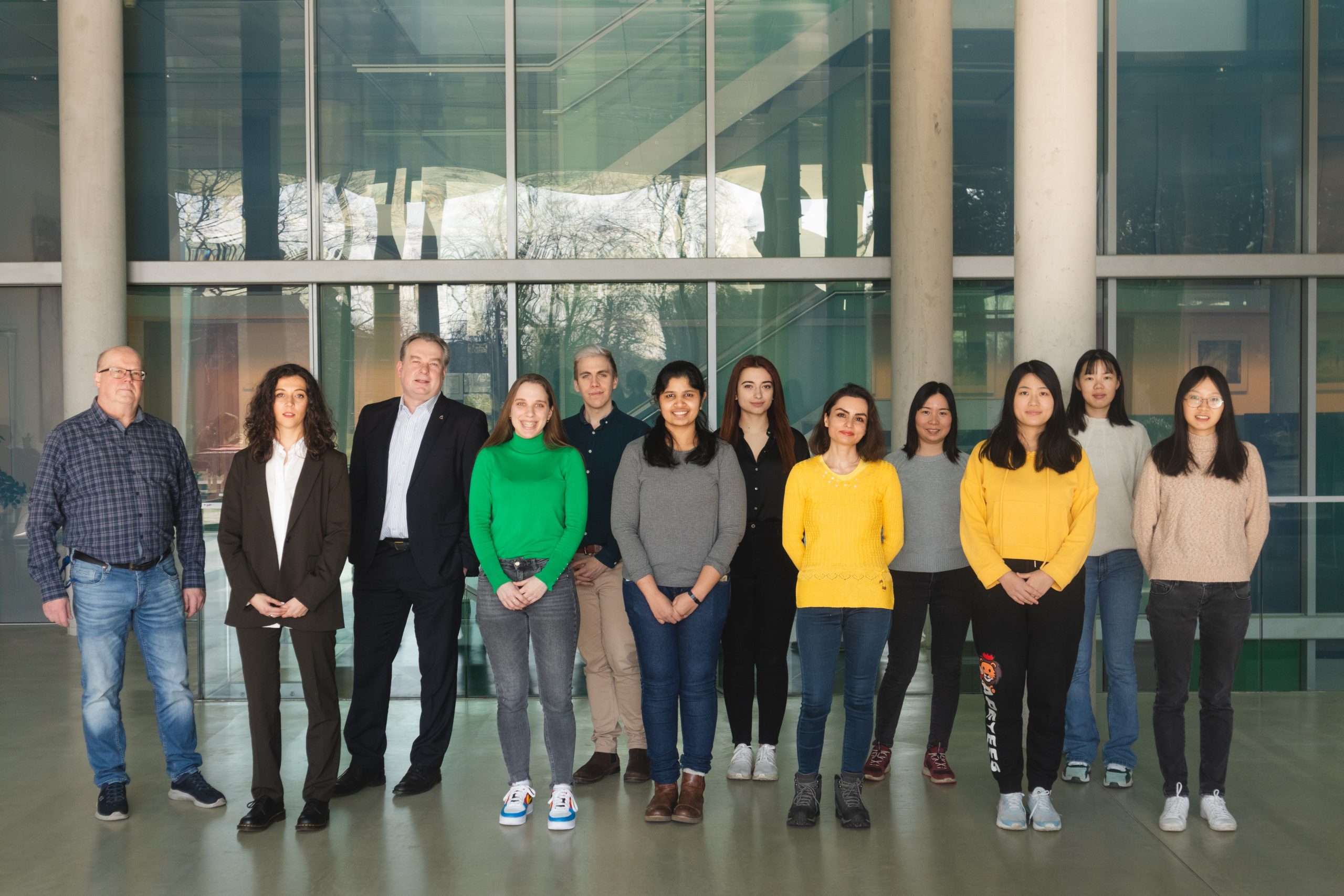
Our research team at Constructor University studies the fundamental driving forces that bring molecules together. We also develop new applications in supramolecular chemistry, generally focusing on water as the most important solvent. In many cases, our research builds on international collaborations.
For more than a decade, we have been at the forefront of supramolecular chemistry. In 2011, we proposed high-energy water as an important driving force in supramolecular chemistry. In 2013, we designed systems that allowed us to observe chemical reactions inside molecular containers in the gas phase. In 2015, we discovered the special properties of superchaotropic ions and described the chaotropic effect as a complementary driving force to the hydrophobic effect. Furthermore, we have designed fluorescent probes and a new line of enzyme (in 2007) and membrane (in 2014) assays, so-called supramolecular tandem assays.
Our work on fluorescent sensors; macrocycles, particularly cucurbiturils; high-affinity binders (including most recently boron clusters); and complexation-induced pKa shifts has found applications in pharmaceutical drug discovery and drug delivery. Our contribution is exemplified by the recent discovery of a new class of membrane carrier, with Javier Montenegro at Santiago de Compostela University in Spain.
Regarding young researcher support, the group has graduated 25 PhD students and hosted 20 postdoctoral fellows as well as two habilitation candidates, in addition to 10 visiting scientists/ professors (sabbaticals). Twenty of the overall 45 supervised PhD students and postdocs have entered academic careers in universities and research institutes around the world. Most of them are now in permanent professor positions, and many of them have returned to their home countries, ranging from Spain, Lebanon, China, Germany, India, Iran, and Jordan.
Research Areas
Supramolecular Host–Guest Chemistry & Molecular Recognition
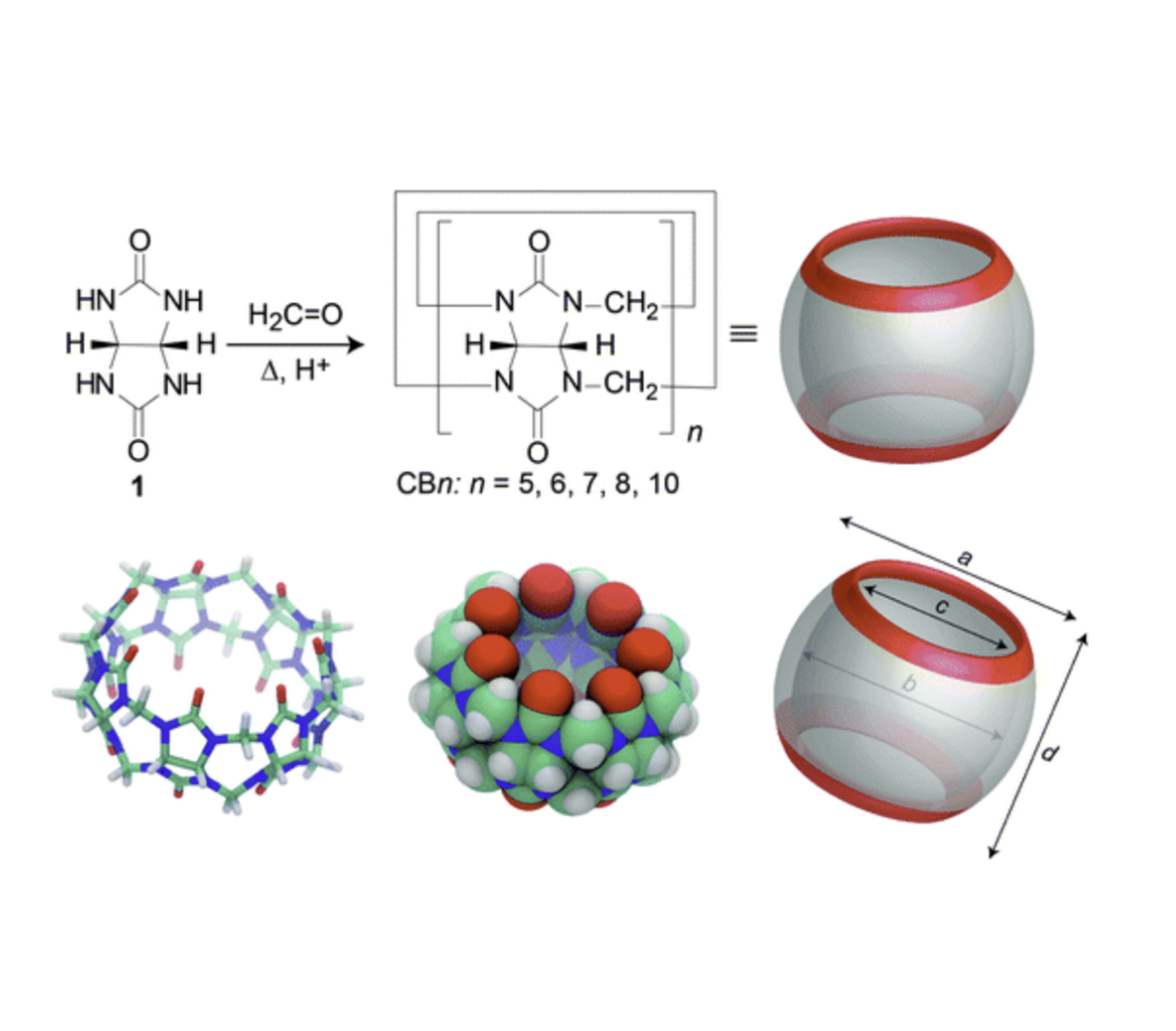
At the heart of the Group's work is a fundamental question — what makes molecules bind to one another in water? We study how macrocyclic host molecules (CBs, CDs, CXs, boron clusters) encapsulate a wide variety of guests…A central insight from our group is the role of high-energy water: water molecules trapped inside the cavity of cucurbiturils are thermodynamically frustrated…
Fluorescent Sensing, Assays & Analytical Applications
A major strand of the group's work translates supramolecular host-guest chemistry into practical analytical tools…This platform has been applied to an exceptionally broad range of targets…
Membrane Transport, Drug Delivery & Biological Applications
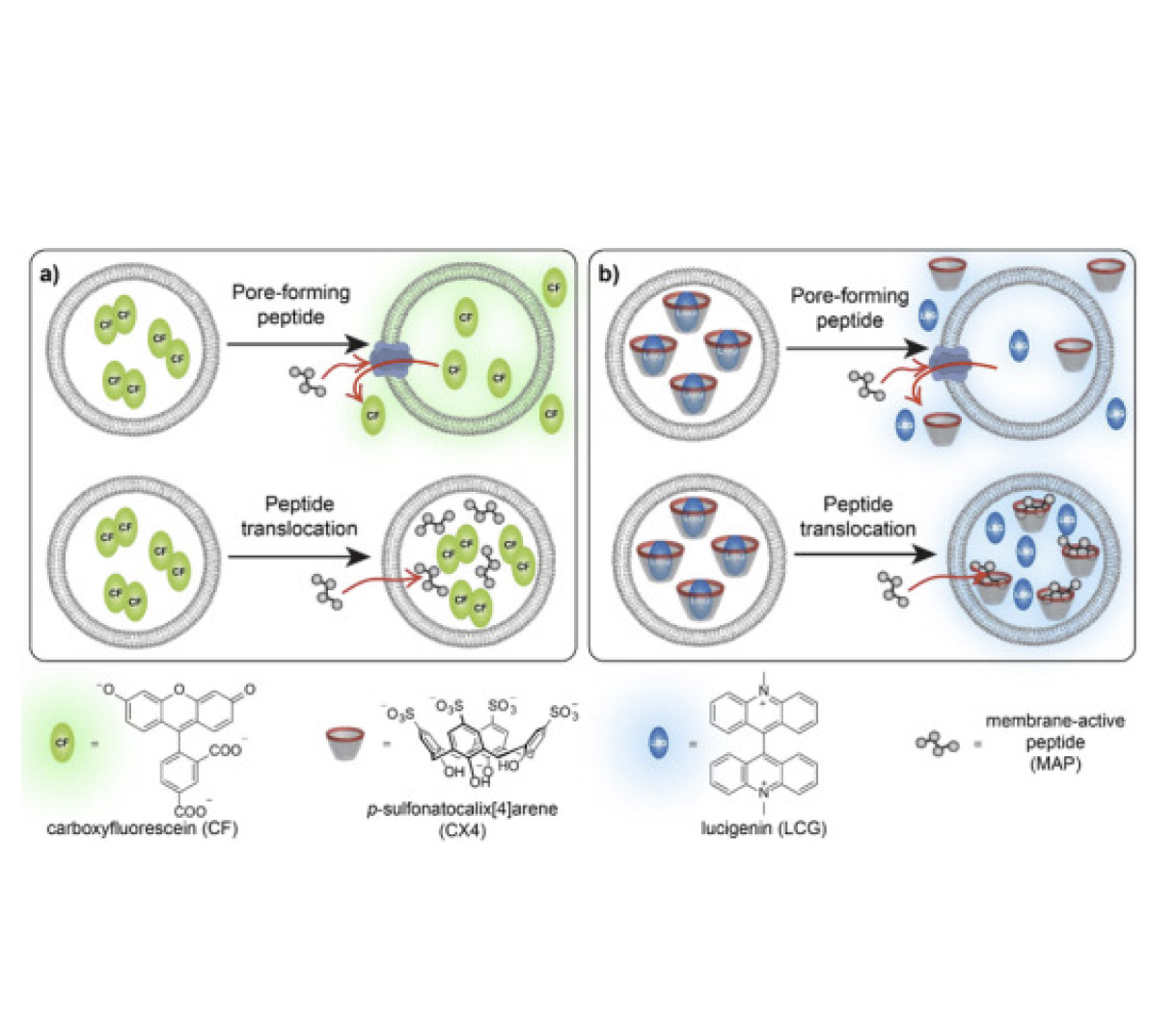
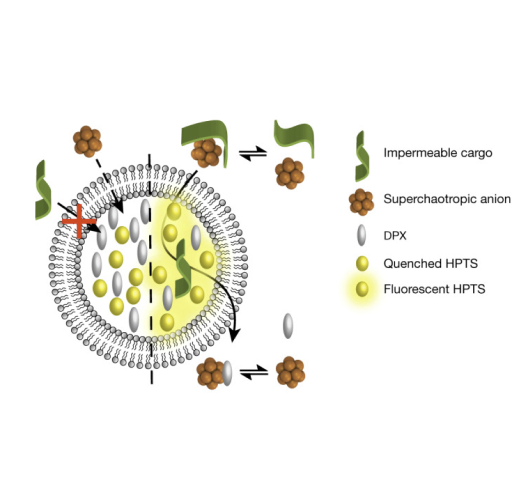
The most recent and rapidly growing direction of the group…The Nau Group has identified a new class of membrane-active agents…
Open PhD and Postdoc Positions Available – Apply for Fall 2026
We are actively recruiting passionate scientists with backgrounds in synthetic chemistry, robotics, or computational physics. Join us in shaping the future of autonomous laboratories.